

The Five Elements Explained: How Feng Shui Shapes Your Energy Flow

Have You Ever Felt the Energy of a Space?
Ever had one of those days where you just can’t focus, no matter how hard you try? Or walked into a room after a argument and still felt the tension hanging in the air? We’ve all felt it—that invisible energy that can make a space feel either like a sanctuary or a stress factory.
What if you could not only sense that energy but actually understand and shape it?
That’s the promise of the Five Elements theory, the beating heart of Feng Shui. Forget the idea of these elements as just physical substances. Think of them instead as five fundamental verbs—five types of energy in a constant, dynamic dance of support and control within your home, your office, and even your own psyche.
This isn't about superstition; it's about creating a personal ecosystem where the energy supports your wellbeing, not sabotages it. Let's decode them.
What Are the Five Elements?
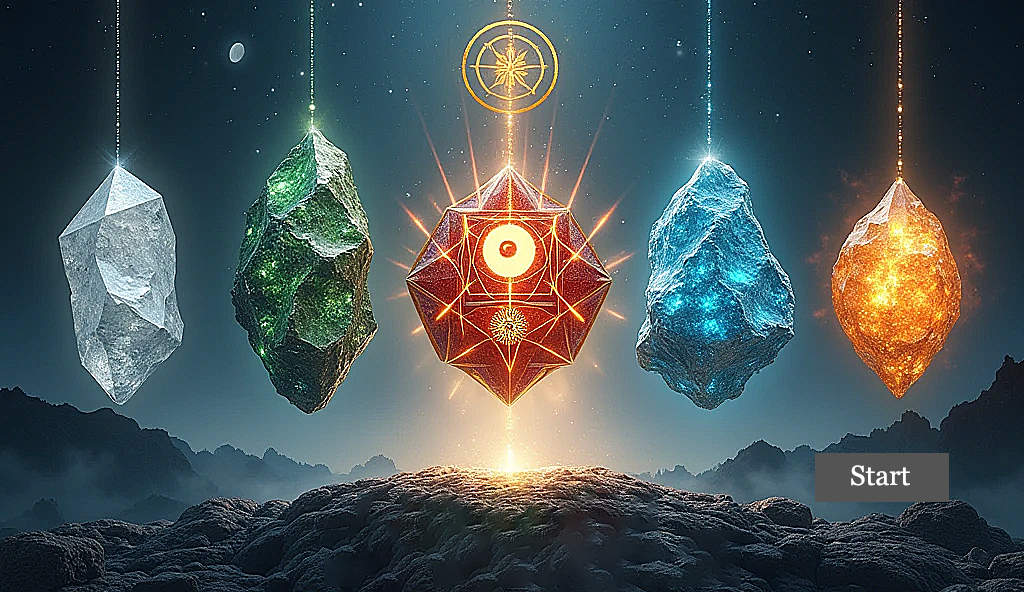
In Feng Shui, the five elements—wood, fire, earth, metal, and water—are the building blocks of the natural world. Each represents a specific type of energy, and together, they form a cycle of mutual support and balance. When these elements are harmonized in your space, you experience a greater sense of well-being and flow. When they're out of balance, you might feel stuck, stressed, or uninspired.
The goal isn't to have equal amounts of each element everywhere. Instead, it's about creating a dynamic balance that supports your intentions—whether that's creativity, rest, connection, or clarity.
Wood: The Energy of Growth and Vitality
Symbolism: Expansion, creativity, new beginnings.
Colors: Greens.
Shapes: Vertical lines, columns, rectangles.
How it feels: Inspired, motivated, flexible.
Imbalance: Frustration, indecision, or feeling stuck.
Bring wood energy into your space with:
- Houseplants or fresh flowers
- Wooden furniture or decor
- Vertical patterns like stripes or tall bookcases
Fire: The Energy of Passion and Transformation
Symbolism: Action, enthusiasm, illumination.
Colors: Reds, oranges.
Shapes: Triangles, stars, sharp angles.
How it feels: Energized, passionate, social.
Imbalance: Anger, restlessness, or burnout.
Bring fire energy into your space with:
- Candles or lighting fixtures
- Artwork with warm, vibrant colors
- Textiles like red pillows or throws
Earth: The Energy of Stability and Nurturing
Symbolism: Grounding, support, nourishment.
Colors: Earth tones like yellows, browns, and terracotta.
Shapes: Squares, flat surfaces.
How it feels: Secure, balanced, centered.
Imbalance: Anxiety, overthinking, or feeling stagnant.
Bring earth energy into your space with:
- Ceramic or clay decor
- Stone surfaces like marble or tile
- Earth-toned rugs or textiles
Water: The Energy of Flow and Wisdom
Symbolism: intuition, calm, abundance.
Colors: Blacks and blues.
Shapes: Wavy, irregular, flowing forms.
How it feels: Peaceful, reflective, adaptable.
Imbalance: Fear, isolation, or lack of direction.
Bring water energy into your space with:
- Mirrors or reflective surfaces
- Decorative fountains or water features
- Artwork with water themes or deep blue colors
How to Apply the Five Elements in Your Life
Now that you know the basics, how can you use this knowledge to create a more balanced home? Here are a few practical ideas:
1. Start with one room
Choose a space where you spend a lot of time, like your bedroom or home office. Notice which elements are already present and which might be missing. For example, if your home office feels chaotic, add metal elements for clarity and organization.
2. Use the cycle of support
In Feng Shui, the elements work together in a supportive cycle:
- Wood feeds Fire
- Fire creates Earth (ash)
- Earth bears Metal
- Metal carries Water
- Water nourishes Wood
If you want to enhance a particular energy, introduce the element that supports it. For example, add wood elements (plants) to support fire energy (passion and action).
3. Balance with the cycle of control
If an energy feels too strong, you can soften it with the controlling cycle:
- Water controls Fire
- Fire controls Metal
- Metal controls Wood
- Wood controls Earth
- Earth controls Water
For example, if your space has too much fire energy (causing stress), add water elements (like a small fountain) to calm it down.
4. Listen to your intuition
Feng Shui is personal. Pay attention to how your space makes you feel. If something doesn't resonate, trust your instinct.
Create Your Own Harmony
The five elements of Feng Shui offer a timeless framework for creating balance and harmony in your environment. By understanding the unique energy of wood, fire, earth, metal, and water, you can transform your space into a sanctuary that supports your goals and well-being.
Start small. Observe. Adjust. Remember, Feng Shui isn't about following rules—it's about creating a home that reflects and supports who you are and who you want to be.
What element do you need more of in your life today?